
In the world of wellness, the conversation around trauma is shifting. No longer seen as a life sentence, we are beginning to understand it as a deeply personal wound that can be healed through compassionate awareness and intentional practice. This article explores the latest understanding of trauma—from its surprising origins to its physical effects on the body. We’ll also introduce a transformative framework, the Paradigm Process, and provide 10 simple, everyday actions you can take to support your healing journey.
Understanding Trauma: A New Definition
Trauma isn’t solely defined by a major event, but by the internal psychological wound that results from a difficult experience. Even a seemingly insignificant event can create lasting wounds. Dr. Maté redefines trauma as a survival adaptation rather than a personal flaw, just like we do at The Center for Healing in South Africa which is our top wellness centre in Cape Town, and we’re suggesting that these responses were what helped you survive. Trauma can also stem from the absence of positive experiences, like a child’s need for unconditional acceptance, which can lead to a belief that something is inherently wrong with them.
The Science of Trauma
The conversation highlights the profound impact of childhood experiences, starting even before birth. A mother’s emotional state during pregnancy can influence a baby’s brain development due to stress hormones. Childhood trauma can also lead to physiological changes, such as increased inflammation, which can raise the risk for autoimmune disease, cancer, and depression. Furthermore when it comes to Healing Trauma with the Paradigm Process, we just realise that trauma can affect the body’s stress regulation system, making it harder to cope with stress as an adult and sometimes leading to addictive behaviors as a way to self-soothe.

The Path to Healing
The good news is that healing is possible. The first step is to recognize that your behaviors and patterns are adaptations to past circumstances, not inherent flaws. The path to healing begins with acknowledging your suffering instead of denying it. Our top therapists and healing experts now suggests approaching yourself with “compassionate curiosity,” asking “I wonder why I’m behaving this way?” instead of “Why am I behaving this way?”
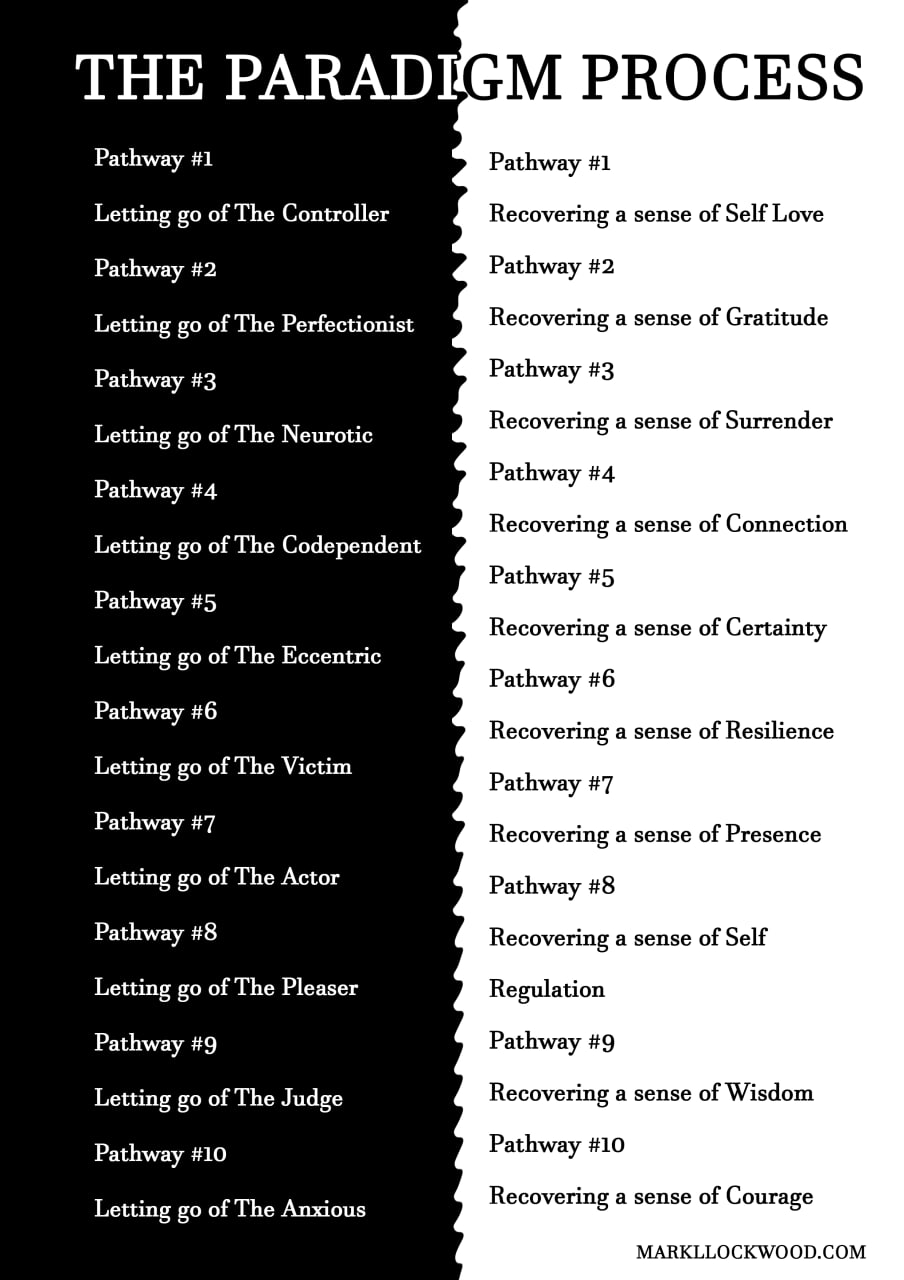
This approach is echoed in methodologies like the Paradigm Process, which encourages individuals to move from a fear-driven “personality” to their “Sacred Self,” rooted in love and higher consciousness. The process uses “Loving Inquiry” to help individuals identify and overcome “Ego Insurgents” such as the inner critic or the victim mentality.
The Paradigm Process helps shift trauma by offering a structured path to personal transformation. Its core principle is to guide you to understand that your trauma-driven behaviors are not who you are, but rather learned responses. By addressing and releasing these “Ego Insurgents,” you can begin to heal the root of the trauma and build a new foundation based on self-love, wisdom, and purpose. This process of identifying and transforming old patterns helps to alter brain chemistry and build new, healthier emotional and social intelligence.
10 Simple Ways to Help Heal Trauma Every Day
While this journey is deeply personal and may require professional support, here are 10 simple, everyday practices that can support your healing process:
- Acknowledge Your Feelings: Take time each day to check in with yourself. Notice your emotions without judgment. Journaling is a great way to process and release what you’re feeling.
- Practice Mindful Breathing: Simple breathing techniques can help ground you in the present moment and calm your nervous system when you feel overwhelmed.
- Nourish Your Body: Focus on eating a balanced diet and staying hydrated. Gentle exercise, such as walking or stretching, can also help regulate your mood and reduce stress.
- Create a Safe Space: Designate a corner of your home or a specific place where you feel physically and emotionally safe. This can be a calming retreat when you need it most.
- Set Boundaries: Learning to say “no” is an essential act of self-care. Protecting your energy and time can help you feel more in control.
- Connect with Others: Don’t isolate yourself. Reach out to trusted friends, family, or a support group. Simply being around supportive people can help you feel more grounded.
- Engage in Joyful Activities: Reconnect with hobbies or activities that bring you a sense of happiness and peace, whether it’s reading, painting, gardening, or listening to music.
- Ground Yourself: When strong emotions arise, use grounding techniques like the 5-4-3-2-1 method (name five things you can see, four things you can touch, etc.) to bring your focus back to the present.
- Be Patient with Yourself: Understand that healing is a process that takes time. Celebrate small victories and show yourself compassion on challenging days.
- Establish a Routine: One of the most important aspects of Healing Trauma with the Paradigm Process is to develop a regular daily routine for sleeping, eating, and other activities can create a sense of stability and predictability, which is often comforting after a traumatic experience.
Conclusion
Healing Trauma with the Paradigm Process is not about fixing a flaw, but about re-engaging with your innate capacity for love, wisdom, and genuine connection. By combining self-compassion with tangible, daily practices, you can move from surviving to thriving. The ultimate goal is to move beyond the limitations of the past and step into your “Sacred Self,” where lasting healing and purposeful living are not just possible, but inevitable.
 Inpatient Treatment for Depression & Anxiety