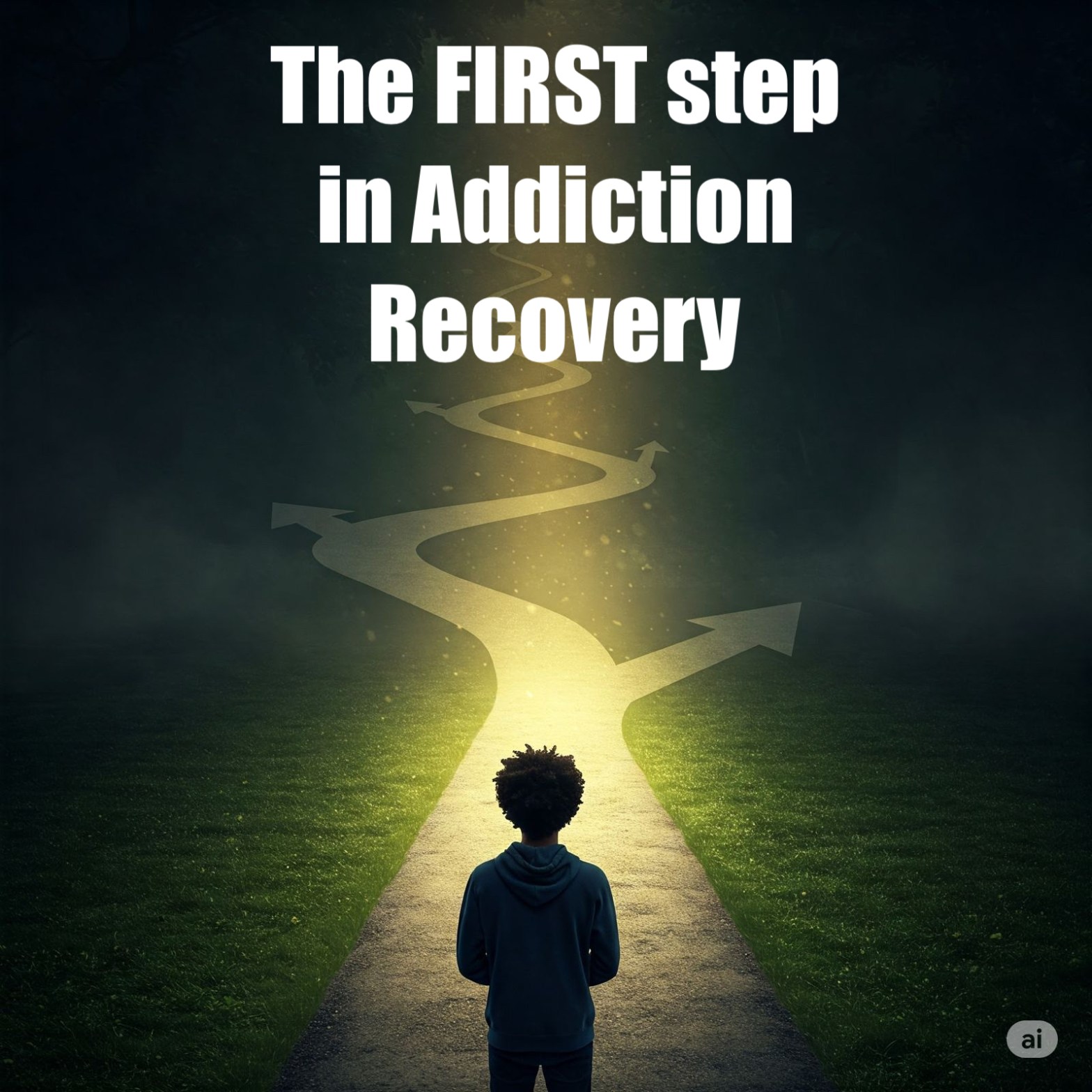
The Surrender to Emotional Reality : Admitting where we are at the beginning of any recovery and healing program is key! Here is a modern take on step one of the famous 12 steps of addiction recovery that we all know has helped hundreds of millions of people heal and recover. So how does any good addiction recovery process and journey begin. With radical awareness of course!
“We owned up to it: when our emotions hijack us, we lose control—and our lives become a chaotic mess.”
Ever feel like your emotions are running the show? One minute you’re fine, the next you’re swept away by a wave of anxiety, anger, or just plain overwhelm. If so, you’re definitely not alone. Many of us spend years trying to wrestle our feelings into submission, believing that more willpower or tougher self-control is the answer.
But what if the real first step to genuine peace isn’t about more control in the way we usually think?
There’s a crucial, often resisted, moment of truth: owning up to the fact that when our intense emotions hijack us, we actually lose control, and our lives (internally or externally) can become a chaotic mess.
Let’s be honest, who wants to admit they’re “powerless” over anything, especially their own feelings? It goes against every “be strong” and “mind over matter” mantra we’ve ever heard. It can feel like admitting defeat. Yet, what if this “defeat” is actually the doorway to real strength and liberation?
This isn’t just for those whose lives have visibly crumbled. Many of us function – we go to work, manage families, even look “fine” on the outside – all while an internal storm rages. This sense of our inner world being unmanageable, of our emotional reactions calling the shots despite our best efforts, is more common than you think.
Acknowledging this powerlessness isn’t about giving up; it’s about getting real. It’s the firm bedrock upon which we can finally start building a life with more peace, purpose, and authentic emotional freedom. It’s the courageous first step.
Curious about what comes next or how this “surrender” actually leads to strength? Read on…
Let’s be honest, who actually wants to admit they’re utterly overwhelmed by their feelings? Yet, that’s The first step in addiction recovery. It goes against every self-help mantra out there, every instinct telling us to “be strong” and “control yourself.” It feels pretty awful to acknowledge that, lost in the storm of our feelings, we’ve let our minds get so tangled up in these emotional rollercoasters—be it anxiety, anger, despair, or even an unhealthy obsession with a person or outcome—that only something bigger than us can untangle the mess.
No other kind of personal crisis feels quite like this. Unchecked emotions, like a relentless debt collector, can strip us of our self-worth, our peace of mind, and our very will to steer our own ship. Once we truly accept this stark reality, our sense of being a capable, functioning human being can feel completely shattered.
But, as we start exploring this path, we begin to see this profound sense of defeat differently. We realize that only by hitting this wall, this “I can’t do this anymore by myself” moment, are we able to take our first genuine steps toward real freedom and inner strength. Admitting we’re not the masters of our emotional universe, ironically, becomes the solid ground on which we can build happier, more meaningful lives.
We know in The first step in addiction recovery that not much good happens for anyone struggling with emotional overwhelm if they don’t first accept how much these feelings have been running the show, and the chaos that’s caused. Until we can humbly face that, any sense of calm will be shaky at best. Real peace? Forget about it. This isn’t just a theory; it’s proven by countless experiences. It’s a fundamental truth of this journey.

The core idea – that we don’t find lasting strength until we first admit we’re beaten by our emotional patterns – is the seed from which this whole approach to healing has grown.
When first challenged to admit this kind of defeat, most of us balked. We came looking for a confidence boost, some magic bullet to manage or conquer our feelings. Then we were told that when it comes to these deep-seated emotional reactions, raw willpower and that “just try harder” brand of self-confidence? Actually counterproductive. A total dead end. People who’d walked this path before us explained that we were often caught in mental loops, emotional whirlwinds so sneaky and powerful that no amount of sheer grit could break us free.
There was, they said, no such thing as personally conquering these compulsions with an unaided will. To deepen our understanding, they pointed out our increasing sensitivity to certain emotional triggers—almost like an “emotional allergy.” The tyrant of our unregulated emotions wielded a double-edged sword: first, we were slammed by an insane urge or an overwhelming wave of feeling that condemned us to react in often destructive or self-sabotaging ways, and then our very coping mechanisms (or lack thereof) ensured we’d just dig ourselves deeper into the mess. Few, if any, ever won this battle fighting solo. It was a statistical reality that people rarely found lasting emotional peace relying solely on their own resources. And this has likely been true ever since humans first felt jealousy, rage, or crippling fear.
In the early days of understanding these principles are a big part of the first step in addiction recovery, and we realised that only those who had completely crashed and burned emotionally could truly hear this message. Even these individuals, at their wits’ end, often struggled to grasp how stuck they truly were. But a few did. And when these folks grabbed onto these principles with the same desperation a drowning person grabs a life raft, they almost invariably found a new way to live. That’s why early writings often focused on those who had hit an undeniable emotional rock bottom. Many who were less desperate tried, but couldn’t make that crucial admission of their inner unmanageability.
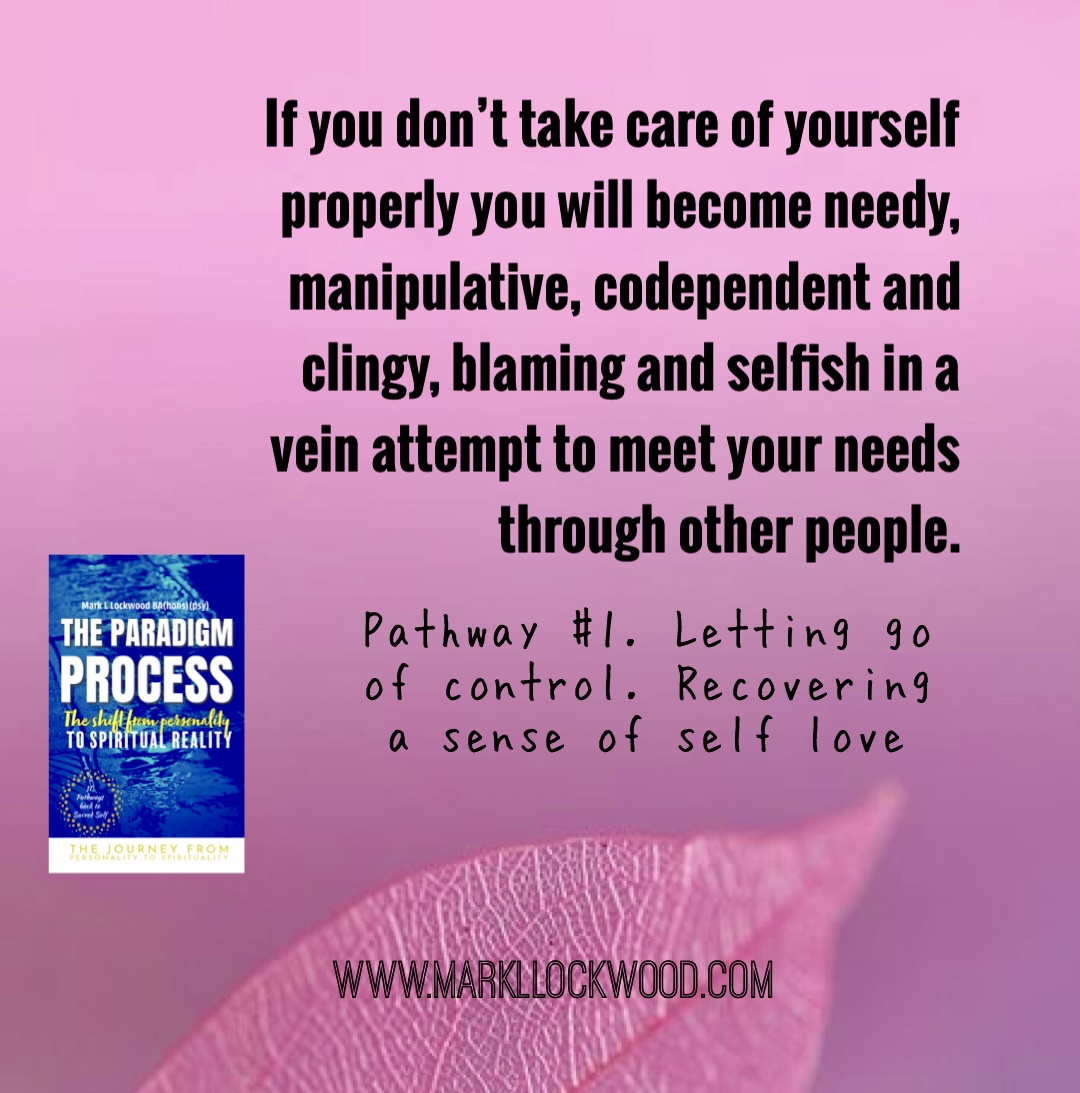
It’s a huge relief to see that in recent years, this has changed. People who outwardly seem to have it all together – good jobs, relationships, the “perfect” life on social media – began recognizing this emotional unmanageability in themselves. They were joined by younger people, sometimes just starting out in adult life, who saw these damaging emotional patterns before they led to decades of silent suffering. Since Pathway One requires admitting our lives have become unmanageable due to our emotional state, and now we try and over-control, how could these folks, who hadn’t necessarily lost everything tangible, take this Step?
It became clear we needed to help people see their own “bottom” before it became a catastrophic external event. By looking back at our own emotional histories, we could show that years before we consciously realized it, our emotional reactions were already out of sync, already causing hidden pain and problems. It wasn’t just “being moody” or “a bit sensitive”; it was the start of a draining, often destructive, progression. To those still doubting, we could say, “Maybe your emotional patterns aren’t at that critical stage yet.
Why don’t you try managing them your own way for a while longer, but keep in mind what we’ve shared about how these things can escalate?” This approach yielded immediate, practical results. It was discovered that once someone has the true nature of their emotional patterns explained to them by another who understands, they can never quite see themselves or their reactions the same way again. After every emotional blow-up or period of internal turmoil, they might think, “Maybe those people were right…” After a few such experiences, often years before hitting an extreme crisis point, they’d return, convinced. Their own internal experience had become the best teacher.
Why all this emphasis on everyone needing to hit their own version of “bottom” first? The answer is simple: few people will sincerely commit to the deep, sometimes uncomfortable work of emotional healing and growth unless the pain of staying the same becomes greater than the fear of change. Practicing the further steps of this journey means adopting mindsets and actions that almost no one caught in the throes of emotional chaos can even imagine taking.
Who wants to be rigorously honest about their deepest fears and insecurities? Who wants to admit their flaws to another person and make amends for emotional harm caused? But yet again it is central to the first step in addiction recovery. Who cares about connecting with something beyond their own ego, or personality masks,, let alone practices like reflection or seeking guidance? Who wants to invest time and energy helping others who are still suffering? No, the average person, often self-absorbed in their emotional struggles, isn’t interested in this—unless they have to do these things to reclaim their life and find some peace.
Under the weight of our emotional burdens, we are often driven to seek help. There, we discover the profound and often debilitating nature of our situation. Then, and only then, do we become as open-minded to new possibilities and as willing to listen as someone who knows they need a lifeline. We stand ready to do anything which will lift the merciless obsession of our runaway emotions from us.
We hope you enjoyed the first step in addiction recovery and trust it will help you, loved ones, clients and friends to really get a good perspective of how to start the first step in addiction recovery and then take it all the way. Whether you choose a luxury rehab centre, a church, an addiction therapist, wellness centre or some other form of recovery or alternative to rehab, doesn’t matter half as much as the decision to get well. People recovery every day and millions recover every year. We all have various ways of dealing with our pain. One day though we need to allow the truth to set us free and do the work of addiction recovery, or depression or anxiety treatment or whatever else gets us snared up at the end. The journey can be one of the most incredible of your life. Never cave in, just give in to recovery. Namaste.
 Inpatient Treatment for Depression & Anxiety